Whenever someone considers reupholstering an old sofa, chair, or armchair, the same question arises, and it's no coincidence: is it worth reupholstering, or is it better to buy a new one?evo?
It's a perfectly valid question, and far more important than it seems, because it involves more than just an aesthetic or economic decision. In reality, behind that choice lie factors of quality, sustainability, design, and even emotional value.
Today I want to talk about precisely that. About why, in many cases, reupholstering a piece of furniture isn't a "second-rate" solution, but a smart, conscious decision, and often much more valuable than replacing it with a new piece. It doesn't always pay off, of course, but there are compelling reasons why reupholstering is a very well-thought-out investment.
When is it worth reupholstering a piece of furniture?
Before making a decision, it's wise to look at the piece of furniture with a degree of honesty. Consider not only its outward appearance, which can sometimes be deceiving, but also its structure, its material, its history, and the role it can still play in the home. Because some pieces of furniture, even if they look worn or outdated on the outside, retain excellent quality on the inside. And that's where upholstery becomes truly important.
Upholstery is especially worthwhile when the piece of furniture has a solid foundation, when its structure remains strong, and when it can be transformed without losing what makes it valuable. In other words, if the frame is sound, redesigning it can give it a truly spectacular second life.

The quality of the structure: the most important reason for upholstery
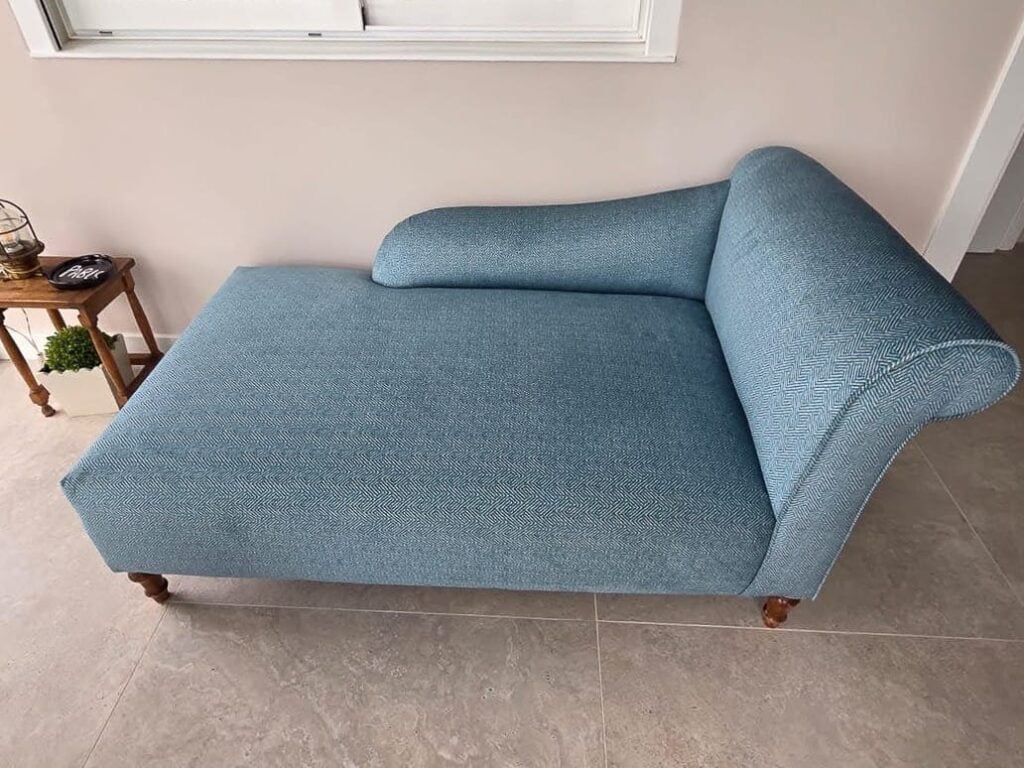
If there's one criterion that should take precedence over many others, it's this: the quality of the construction makes all the difference. When a piece of furniture is made with fine, durable woods like oak, cedar, or lignum vitae, we're usually talking about pieces that deserve to be preserved. These are solid, long-lasting materials with a presence that's hard to find in many modern furniture pieces.
And here appears a reality that we see constantly: not everything newevo It's better. In fact, many modern furniture frames are made with MDF or woods ill-suited to withstand the continuous use required by upholstered furniture. At first glance, they may seem attractive, even very contemporary, but over time their limitations tend to become apparent sooner. Therefore, when you already have a piece with a good frame at home, upholstering it can not only be a sound aesthetic choice, but also a clear investment in durability.
Upholstering furniture is also a sustainable decision
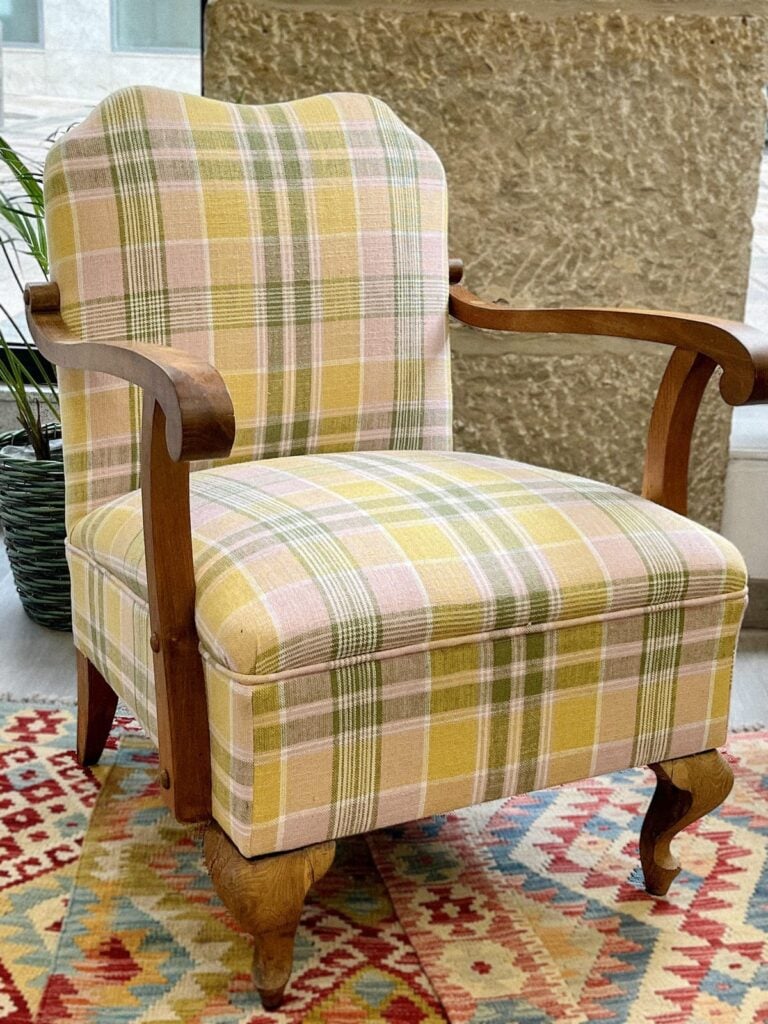
There's another reason that's gaining increasing importance, and rightly so: environmental commitment. We're living in a time when simply decorating beautifully is no longer enough; how we consume, what we replace, and what we choose to keep also matters. In this context, reupholstering furniture is a concrete way to extend the lifespan of a piece and avoid unnecessary consumption.
Beyond the decorative aspect, restoring and reusing involves participating in a different way of living and buying. It means valuing what already exists before discarding it, and that has a real impact. It's not about romanticizing every antique piece of furniture or keeping everything, but rather about understanding that preserving a good piece can be much more responsible than replacing it with one of lower quality and a shorter lifespan.
Sometimes we talk about sustainability in very abstract terms, but decisions like this make it everyday, tangible, almost domestic. And that's precisely why it's so valuable.
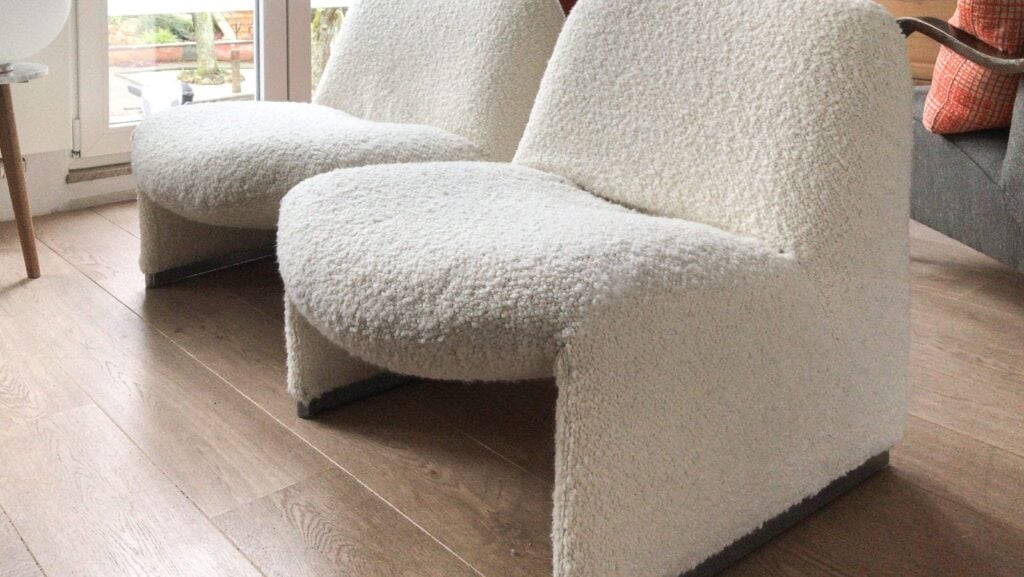
Customization and redesign: turning an old piece of furniture into a new one
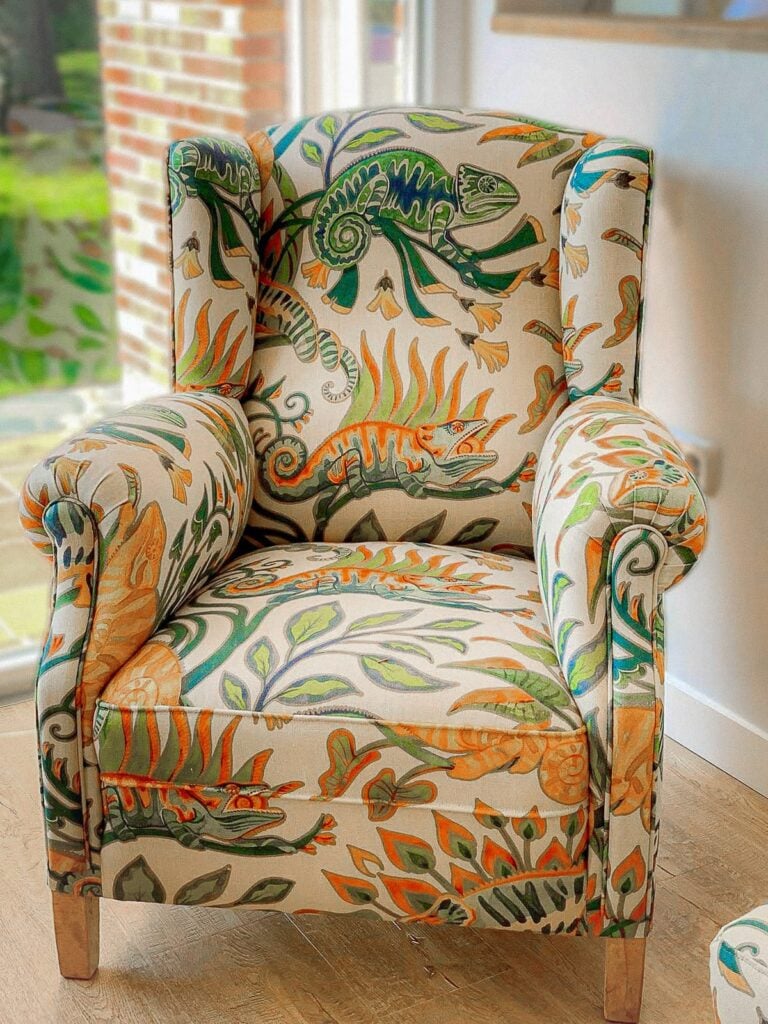
One of the great attractions of upholstery is the freedom it offers. Because upholstering isn't just repairing; often it's redesigning. It's taking an existing piece and reinterpreting it according to your taste, your needs, and the current style of your home. And that's where something very interesting happens: the piece of furniture stops being simply "old" and becomes something unique. The variety of upholstery fabrics And the ability to choose patterns, textures, colors, finishes, and even small design changes makes the result much more personal. You're not buying a standard piece that might be in hundreds of homes; you're creating a new version of a piece of furniture that already has presence and character. And that process, besides being practical, is very satisfying. There's a special pleasure in customizing a piece and truly making it your own, adapting it to a specific decor and a particular way of living in the space.
When it's done right, Upholstery updates the furniture, coordinates it with the rest of the decor, and makes it unique (a custom piece).


The historical and sentimental value of an inherited piece of furniture
And then there's the reason that, for many people, outweighs all the others: history. Because some furniture isn't just furniture. It's heirlooms, memories, pieces that have been passed down through generations and carry an emotional weight that's difficult to replace with a new purchase. In those cases, the decision to reupholster has a much deeper meaning.
Many of these inherited pieces are also of exceptional quality. Antique armchairs, Victorian chairs, solid wood chairs, and classic furniture, beyond their original style, possess invaluable material and artisanal richness. Restoring and reupholstering them allows us to preserve that essence while adapting them to a more contemporary aesthetic. And that has something particularly beautiful about it: it's not about freezing the past, but about integrating it into the present.
Giving a new life to an inherited piece of furniture is, in a way, a form of continuity. A way to preserve memories without sacrificing functionality or contemporary design.
Upholster or buy newevoWhat should you consider before deciding?
The final decision shouldn't be made impulsively or solely based on price. The wisest approach is to assess the furniture's actual condition, the quality of its construction, the available budget, its intended use, and any personal value attached to the piece. Because yes, there are cases where buying new furniture is not the best decision.evo This can make sense, especially if the structure is badly deteriorated or if the cost of restoration isn't worthwhile. But in many other situations, reupholstering is a smarter option than it first appears.
The important thing is to understand that it's not simply about "fixing something old", but about deciding what deserves to stay with you and how you want it to be part of your home from now on.